Stop Wasting Money Heating the Air in Your Plastics Shop
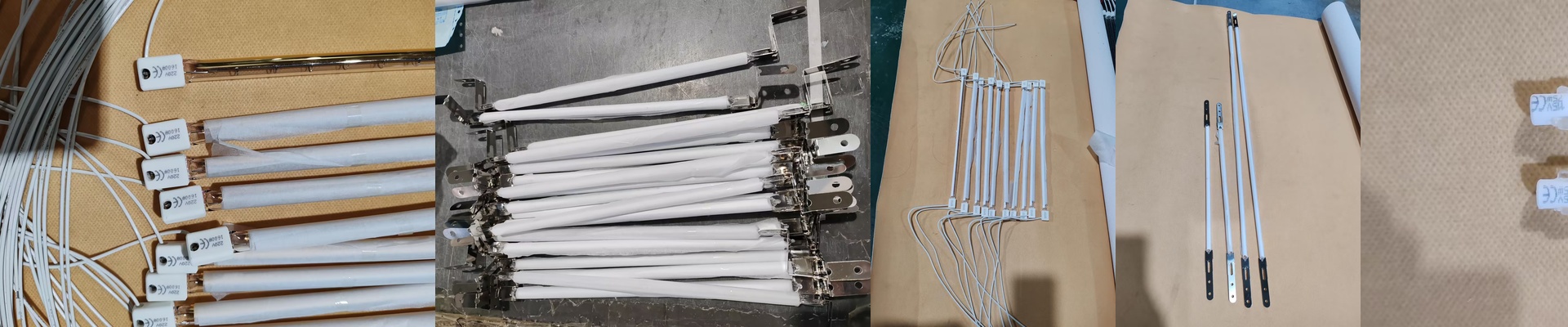
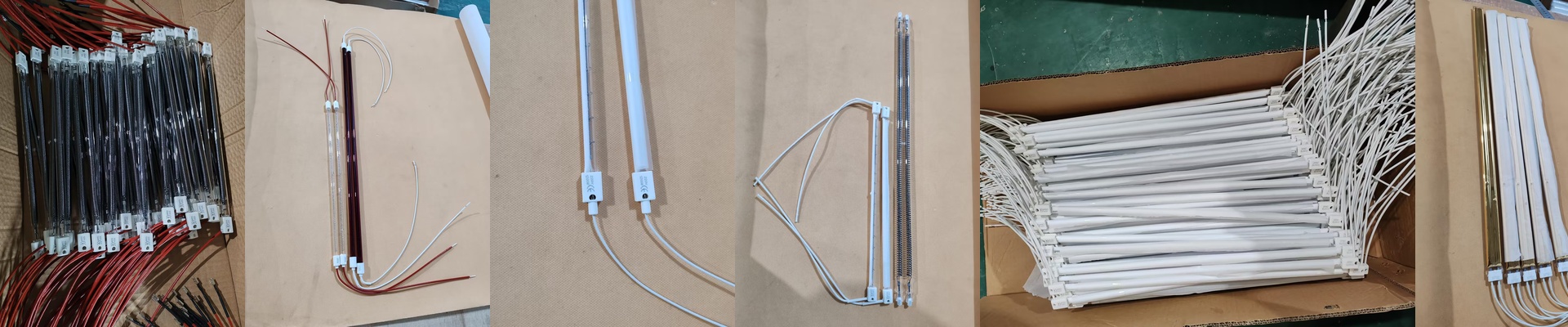
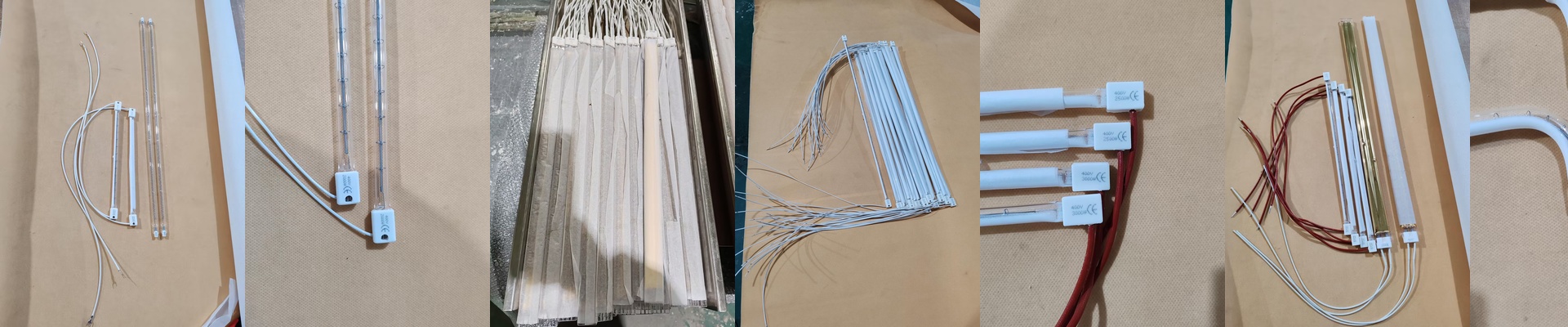
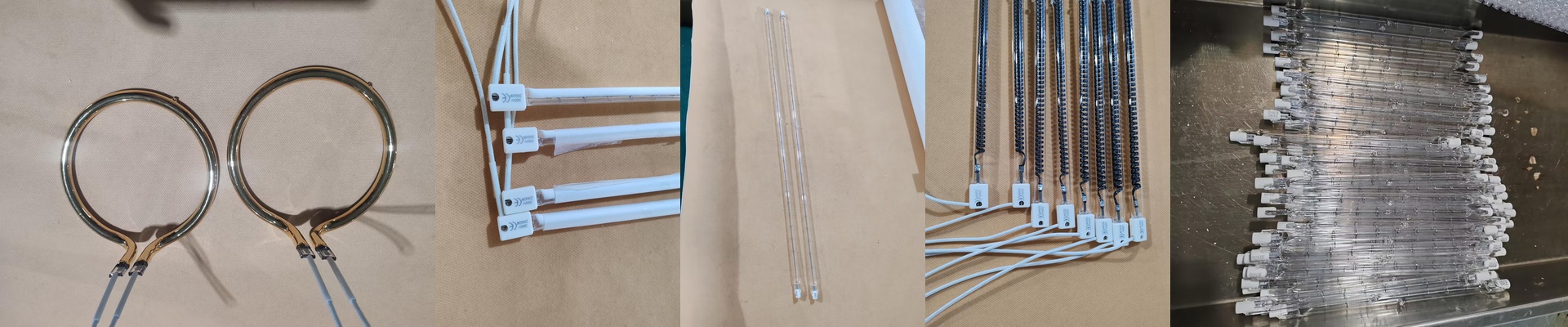
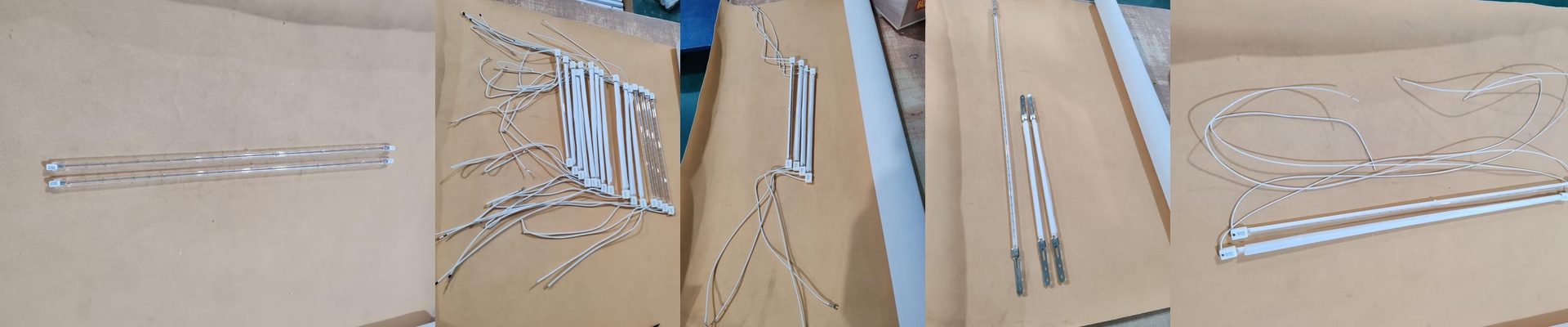
Energy prices are all over the place right now. If you’re running a plastics operation, you already know that the heating zone is usually where your profits go to die. I see it all the time: shops using generic heaters that basically just warm up the room instead of actually getting the heat into the polymer. It’s a waste. Switching to high-spec quartz infrared lamps actually changes the math on your margins. Let’s talk about heat density. Most of the quartz tubes we build are designed with very specific voltage-to-wattage ratios. Why? Because it hits a precise heat density. Whether you’re on a 230V or 400V system, that wattage per millimeter is what dictates how fast your PET or PVC hits its glass transition temperature. When you get that density right, your cycle times drop. You get more parts out the door every hour without having to buy more floor space. It’s just efficient. Getting the heat where it belongs We use high-purity quartz glass so the lamps don’t warp when things get brutally hot. But the real secret is in the coating. We use a specialized finish that shifts the emission spectrum. Instead of just scorching the surface of the plastic, the heat actually penetrates deep into the material. And we kept the installation simple. We use standard connectors—think R7s or Sk15—so you can just swap a lamp out without having to rewire your entire oven. It’s a drop-in replacement. Plus, these connectors are tough; they can take a beating in high-vibration environments without shaking apart. The trade-off (because there’s always one) Here’s the thing: power density comes with a catch. A high-wattage quartz lamp puts out a massive amount of heat. If your cooling fans and ventilation aren’t up to the task, you’re going to burn out your lamp sockets. You’ve got to make sure your airflow is solid. But when it’s dialed in? You stop wasting electricity heating the air around the machine. You put that energy directly into the material, which kills that long “warm-up” window. That’s the best way to protect your bottom line when the power company decides to hike the rates again.