A No-Nonsense Guide to Infrared Halogen Lamps
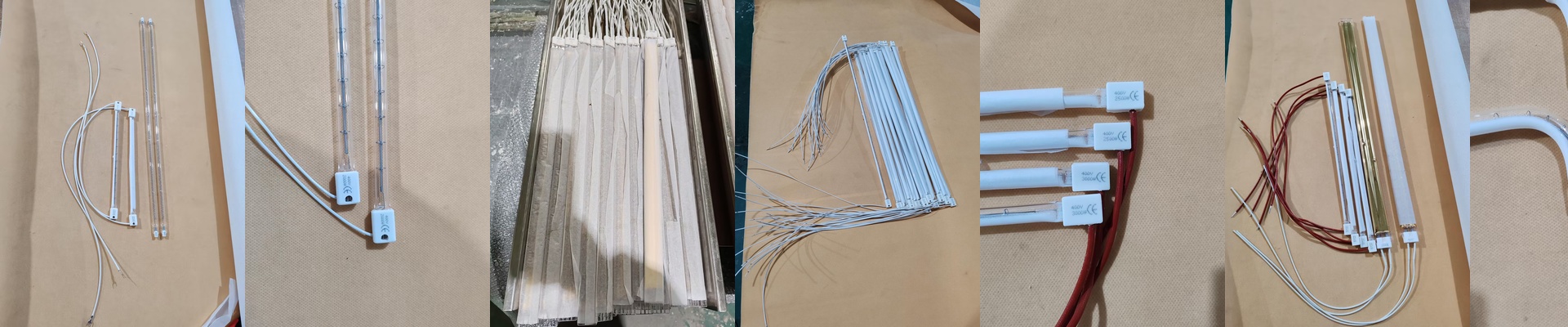
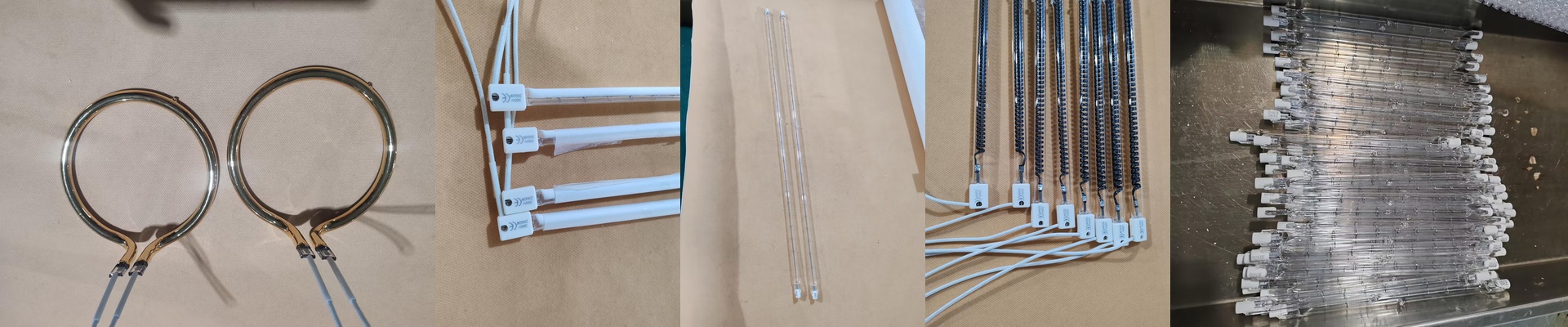
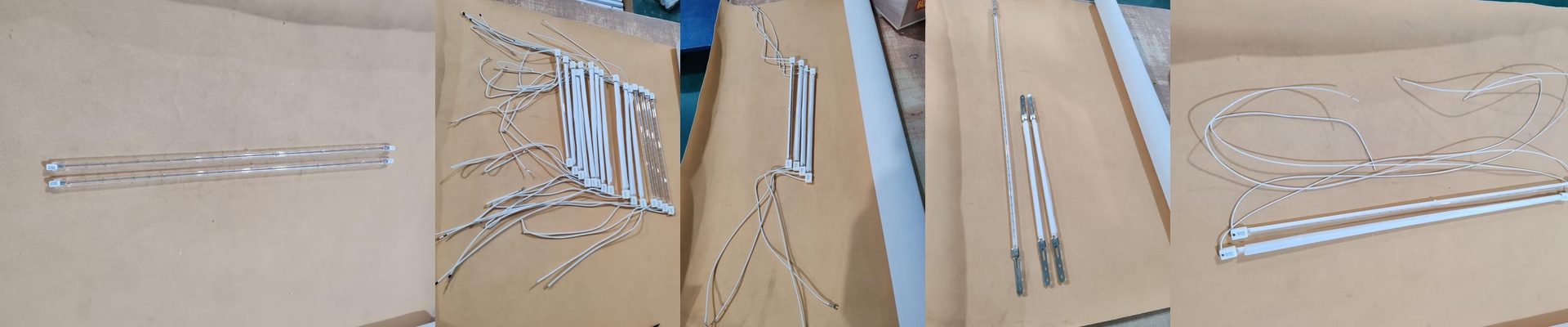
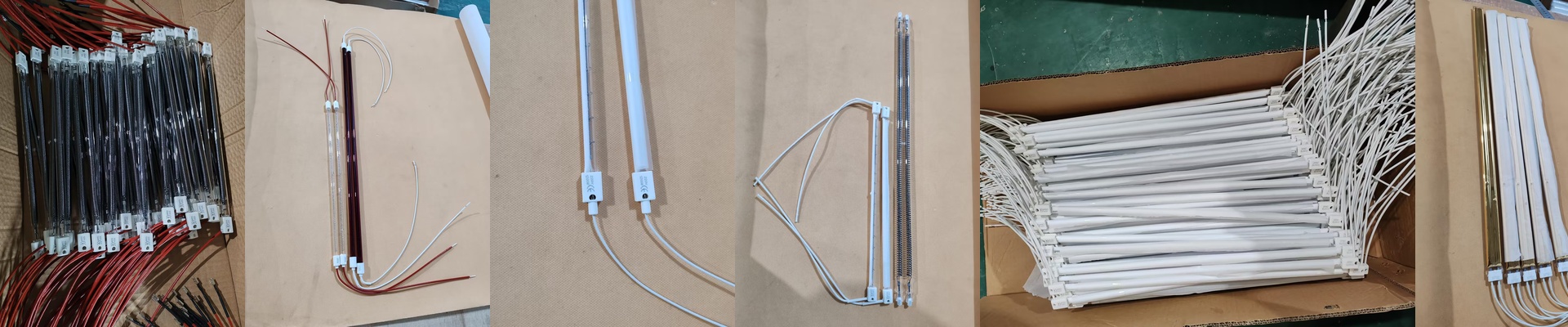
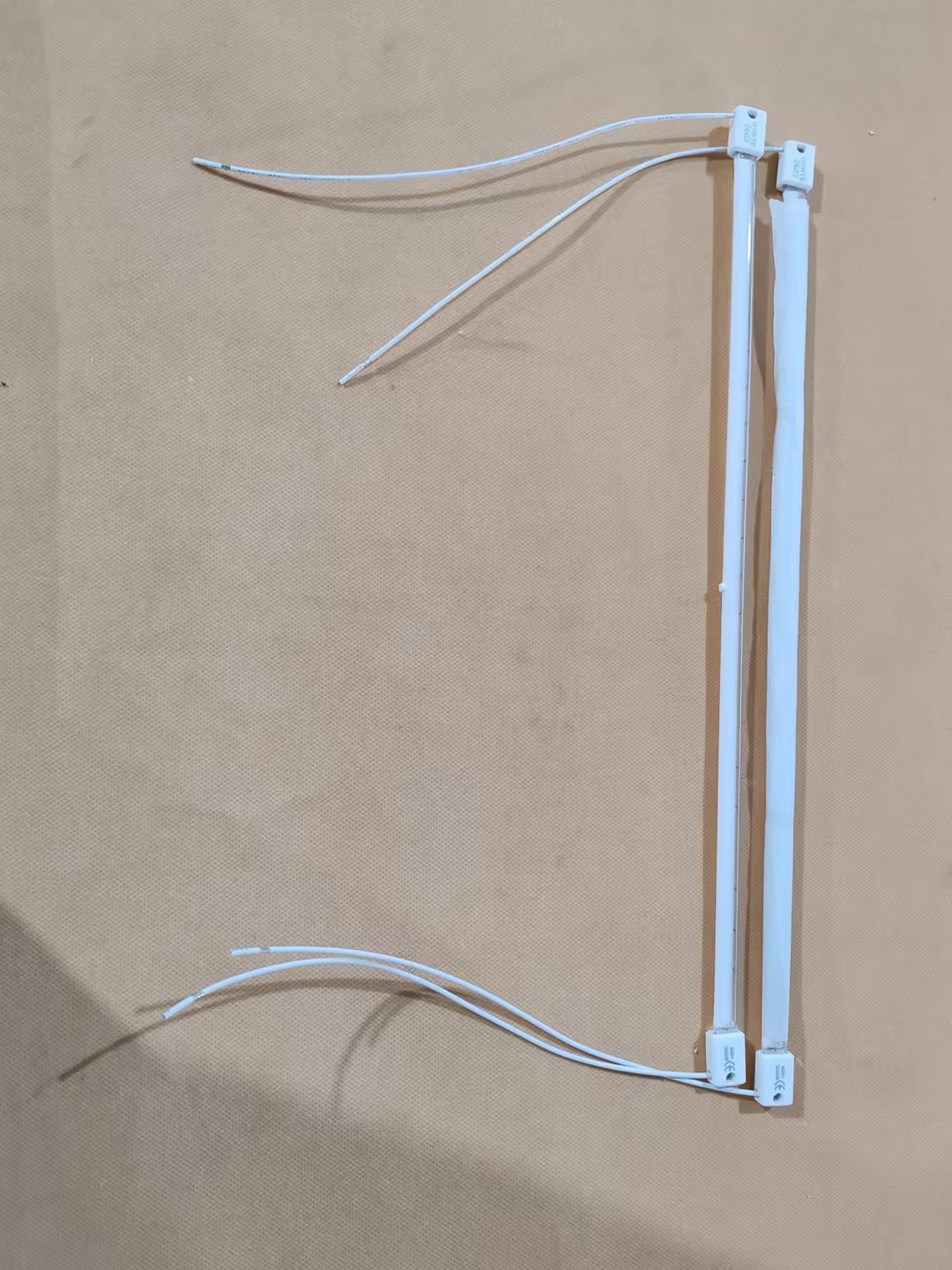
Let’s talk about shortwave infrared halogen lamps. Basically, these things are built for one reason: to move a lot of heat, very quickly. We use a tungsten filament tucked inside a high-purity quartz tube and fill the whole thing with a halogen gas mix. Why the gas? Because it keeps the filament from evaporating too fast. Without it, you’d be replacing your lamps every few days because they’d just burn out.
Getting the Power Right
Before you plug anything in, you’ve got to make sure your voltage and wattage actually match your power supply. If they don’t, you’re looking at a very short lifespan for your gear. If you go with a high-wattage tube—something like 2000W or 3000W—you’re packing a massive amount of heat into a tiny space. It’s great for when you need your cycle times to be lightning-fast. Just a heads-up: make sure your controllers can handle that initial surge of power when they kick on. Also, using high-voltage setups helps keep your wiring from getting too hot, which is a win for everyone.
The Quartz and the Connections
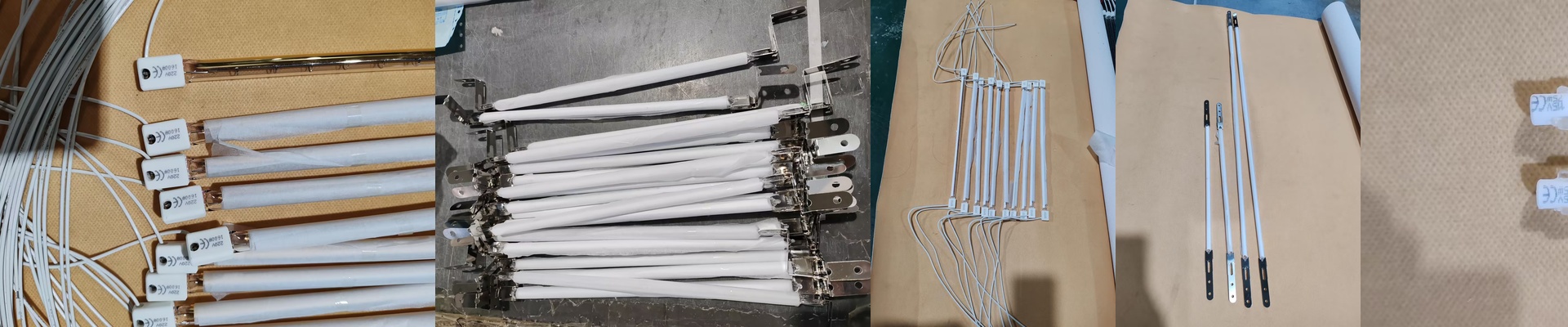
The quartz tube is where the magic happens. It lets that shortwave radiation fly right through without soaking it up. Depending on what you’re working on, you can go with clear tubes or coated ones. The coated versions are helpful because they shift the heat spectrum to better “hit” certain plastics or metals. As for the installation, we stick to standard connectors like R7s or Sk15. They’re basically plug-and-play for most industrial ovens. More importantly, they create a tight seal, so you don’t have to worry about annoying electrical arcing at the terminals.
Real-World Use (and the Gotchas)
You’ll see these lamps everywhere—PET blowing, curing paint, welding plastics. The big draw is that they ramp up almost instantly. No waiting around. But here’s the thing: all that intense heat doesn’t just go into your product. It can easily bake your machine frame if you aren’t careful. Spend some time getting your cooling fans and heat shields sorted. And one last tip?**Keep the glass clean.**If oil or dust builds up on the quartz, it creates hot spots. Those hot spots lead to cracks, and cracks mean a dead lamp. A quick wipe-down goes a long way.